Methodology
Community-based market research
Community Research is a Swiss market research institute specialising in community-based market research. Through personally verified communities, we gather high-quality responses and understand not just what people decide – but why.

At the core are established communities of personally verified participants, which we build with purpose and support on an ongoing basis.
Unlike conventional online panels, these are not a loose collection of profiles, but stable groups of people with a known participation history.
This creates a research environment that delivers both robust quantitative results and in-depth insights into attitudes, motivations and decision-making processes.
You can find examples of typical research questions on the page Use Cases.
How we understand communities
For Community Research, a community is a stable, relationship-based group of people with whom we are in direct contact.
Participants see their role not as a one-off survey response, but as ongoing involvement in research and development.
This understanding increases motivation, attentiveness and the quality of responses.
A community emerges when:
- the same people repeatedly take part in studies
- participants are personally known and verified
- members are aware that they are part of a longer-term community
How a typical community study works
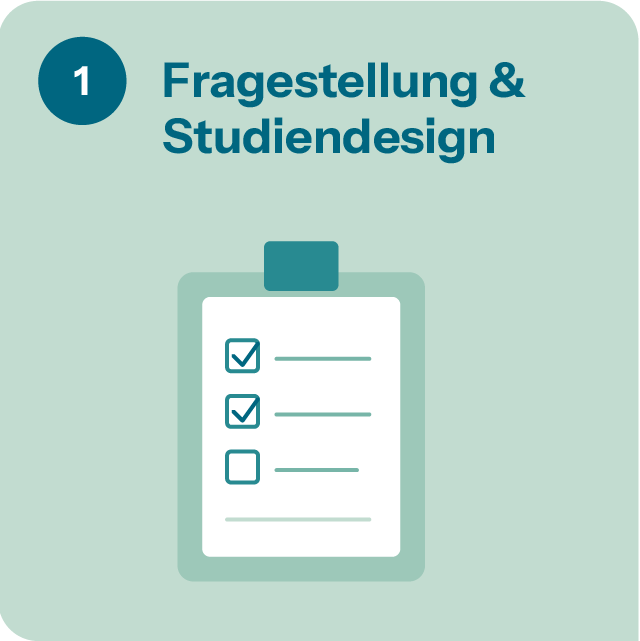
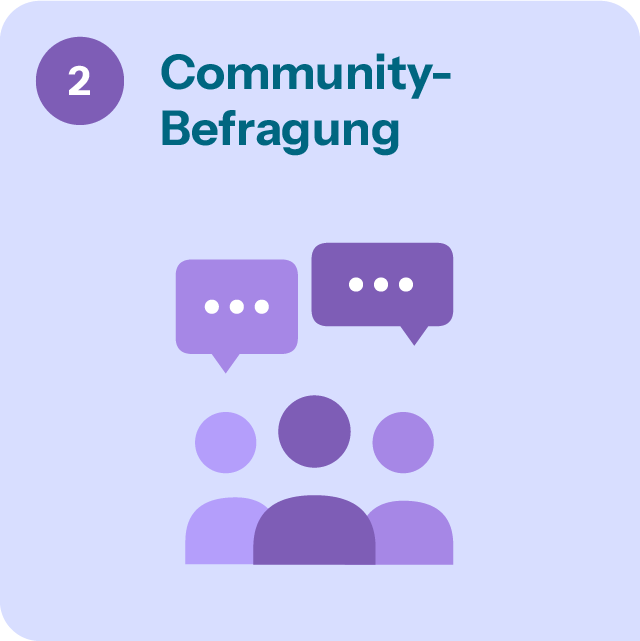
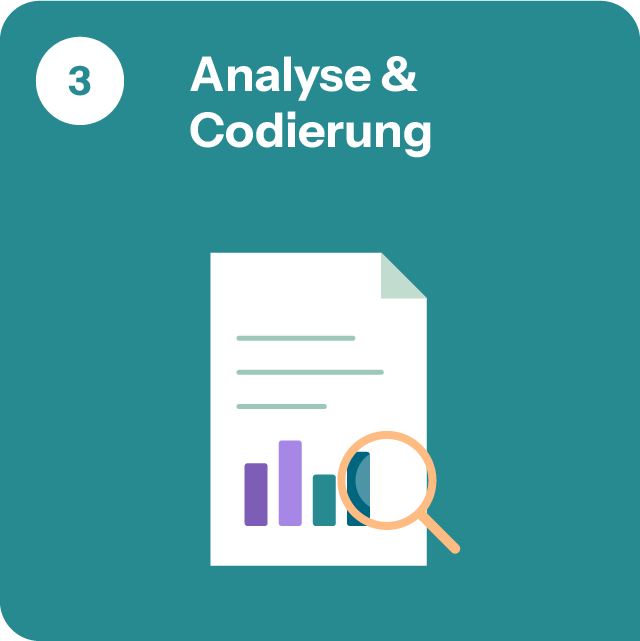
Community studies follow a clearly structured process that enables rapid results while delivering in-depth insights at the same time.
You can find more about our services in the section services.
The starting point is a specific question from a company. Together, we define which aspects are to be examined and which target group is relevant.
In many studies, we work with a structured questionnaire that combines closed questions with open follow-up questions asking for reasoning. Participants can explain and comment on their answers directly. This allows us not only to measure results, but also to understand the motivations and considerations behind the answers.
Depending on the research question, other study designs may also be appropriate. These include, for example, diary studies, moderated discussions in community forums or creative tasks in which participants capture their impressions in the form of collages or image collections.
Which method is used always depends on the specific research question and the study’s intended insights.
The survey is carried out within the relevant community. Fieldwork typically lasts five to eight days, depending on the scope of the study and the desired number of responses.
Once fieldwork is complete, the results are analysed and prepared in a structured format.
In addition to analysing the quantitative results, open responses are systematically evaluated. Where appropriate, they are coded or grouped thematically to reveal patterns, arguments and recurring assessments.
This allows us not only to measure results, but also to better understand the reasons and considerations behind the answers.
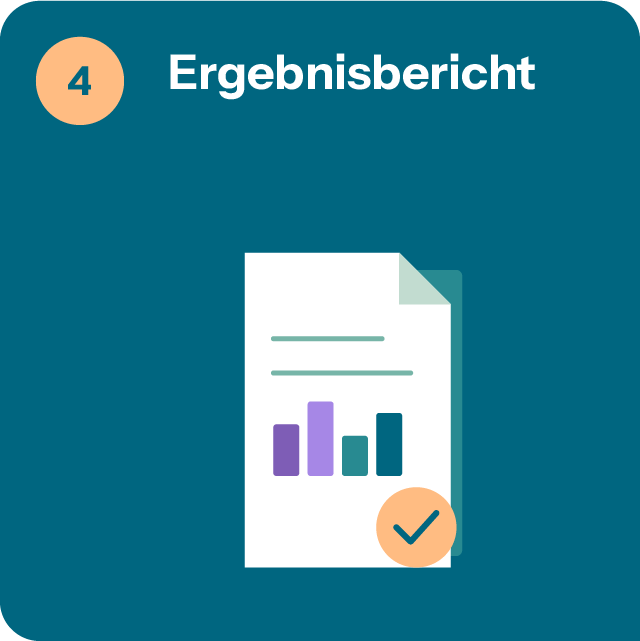
The results are summarised in a structured findings report.
The report contains key insights from the quantitative results, summarised arguments from open responses, and concrete recommendations for action.
The findings report is typically completed within around one week after the end of fieldwork.
Thanks to the stable structure of the communities, studies can be launched quickly and conducted reliably. From study design to findings report, studies can be delivered within around two weeks if required.
Combining different research methods
The communities make it possible to combine different research methods flexibly.
Within the same community, we can, for example:
- conduct structured online surveys
- organise qualitative interviews
- carry out UX tests
- run product tests or tastings
Quantitative results, for instance from complementary studies, can thus be explored in greater depth. Notable patterns or differences can be discussed directly with participants and better understood.
When to choose communities over panels
Conventional online panels are an established instrument of market research and are particularly suited to quantitative surveys with large sample sizes.
Community-based research becomes especially relevant when research questions require a deeper understanding of attitudes and decision-making processes, or when target groups are hard to reach.
Communities offer advantages when:
- motivations and decision-making processes are to be understood in greater depth
- target groups are difficult to reach through conventional email surveys
- the same people are to be surveyed repeatedly
- participants are to be selected for interviews, UX tests or product tests in a targeted and timely manner

Reliably reaching younger target groups
Many companies today face the challenge of reaching younger target groups through conventional market research instruments. Traditional online panels often rely on email invitations and one-off surveys. Younger people in particular are responding to these less and less.
Community-based research offers a different approach. Participants actively apply to join a community and are aware that they can take part in studies over a longer period of time.
Recruitment and communication are also tailored to the usage patterns of the target group, for instance via mobile channels and social networks. This makes it possible to reach younger target groups reliably and engage them in studies over the long term.
Our communities
The communities form the foundation of our research. Depending on the community, they consist of approximately 70 to 200 personally verified participants who are willing to take part in studies over a longer period of time.
Members are recruited in a targeted manner and quotaed by key sociodemographic characteristics. This creates a stable group that can take part in studies on a regular basis.
Community Research currently offers two communities:
Young Community (aged 16–30)
German-speaking Switzerland, quotaed by key sociodemographic characteristics.
Includes about 70 participants.
Age-diverse Community (aged 16–79)
German-speaking Switzerland, quotaed by key sociodemographic characteristics.
Includes about 200 participants.
The communities are supported on an ongoing basis and topped up with new recruits as needed, in order to maintain activity and composition reliably over the long term. Further communities are built specifically based on client needs.
Recruiting community members
Recruitment takes place across several channels to ensure a stable and balanced composition of the communities.
The communities are deliberately recruited somewhat larger than the targeted number of active participants. This allows inactivity or drop-outs to be compensated for flexibly, ensuring that a sufficient and balanced sample remains available for studies at all times.
The main recruitment sources include:
- Social media and online advertisements
- Partnerships with organisations or institutions
- Flyers or notices in public places
- Selective direct outreach
All applicants go through a structured screening process. This captures sociodemographic characteristics, interests and other relevant criteria.

Personal Verification
All members of a community are personally verified at least once before being admitted.
The verification serves several purposes:
- Confirming the identity of participants
- Assessing motivation to take part
- Explaining the conditions of participation and compensation
This results in a community made up of real, contactable people – not anonymous profiles or automated responses.